Our Campus
Scroll to see photos of our campus, stained glass windows, and our Stations of the Cross If you you have any interest in using any of our church spaces, please contact us.
-
![]()
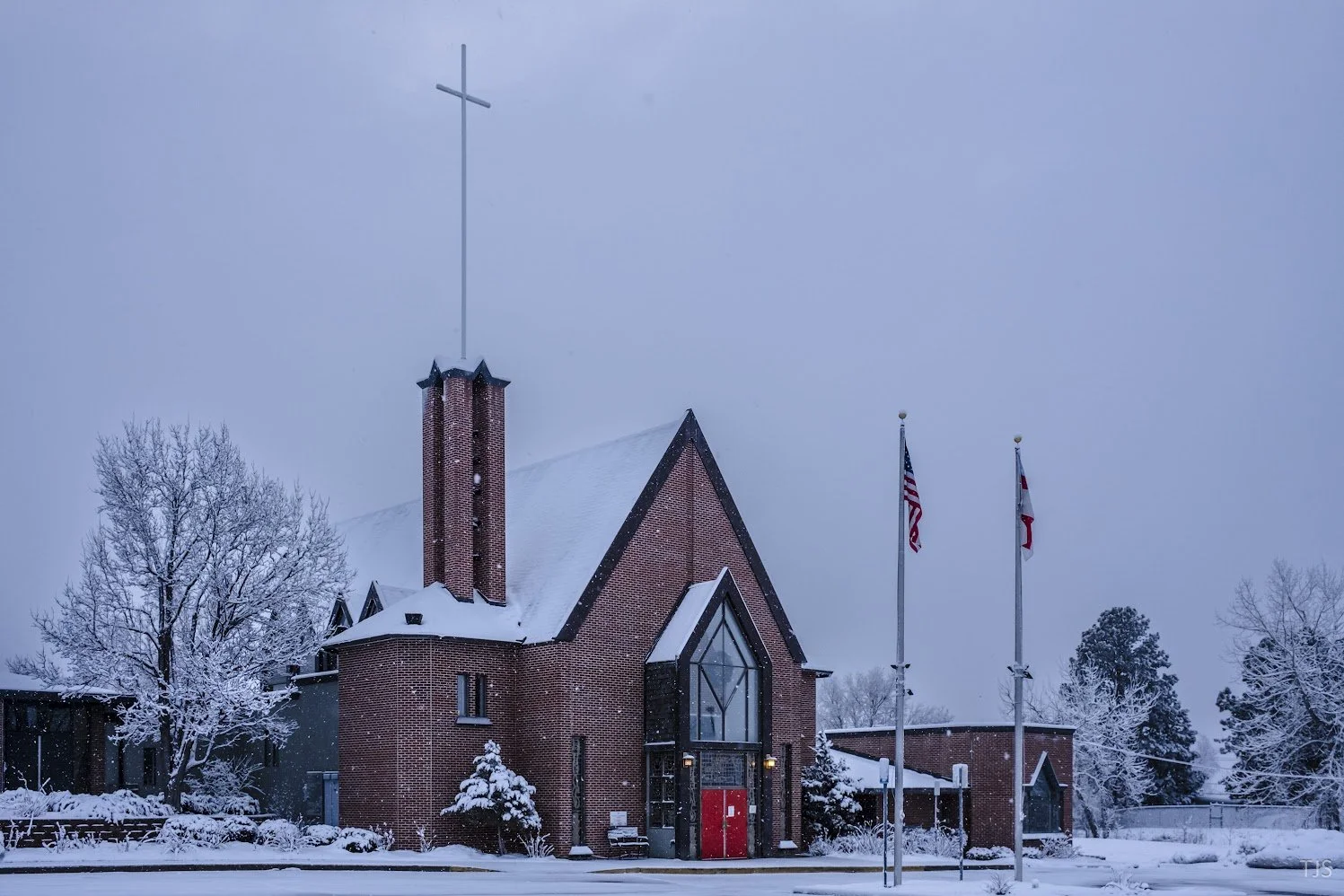
Building view from the west
-
![]()
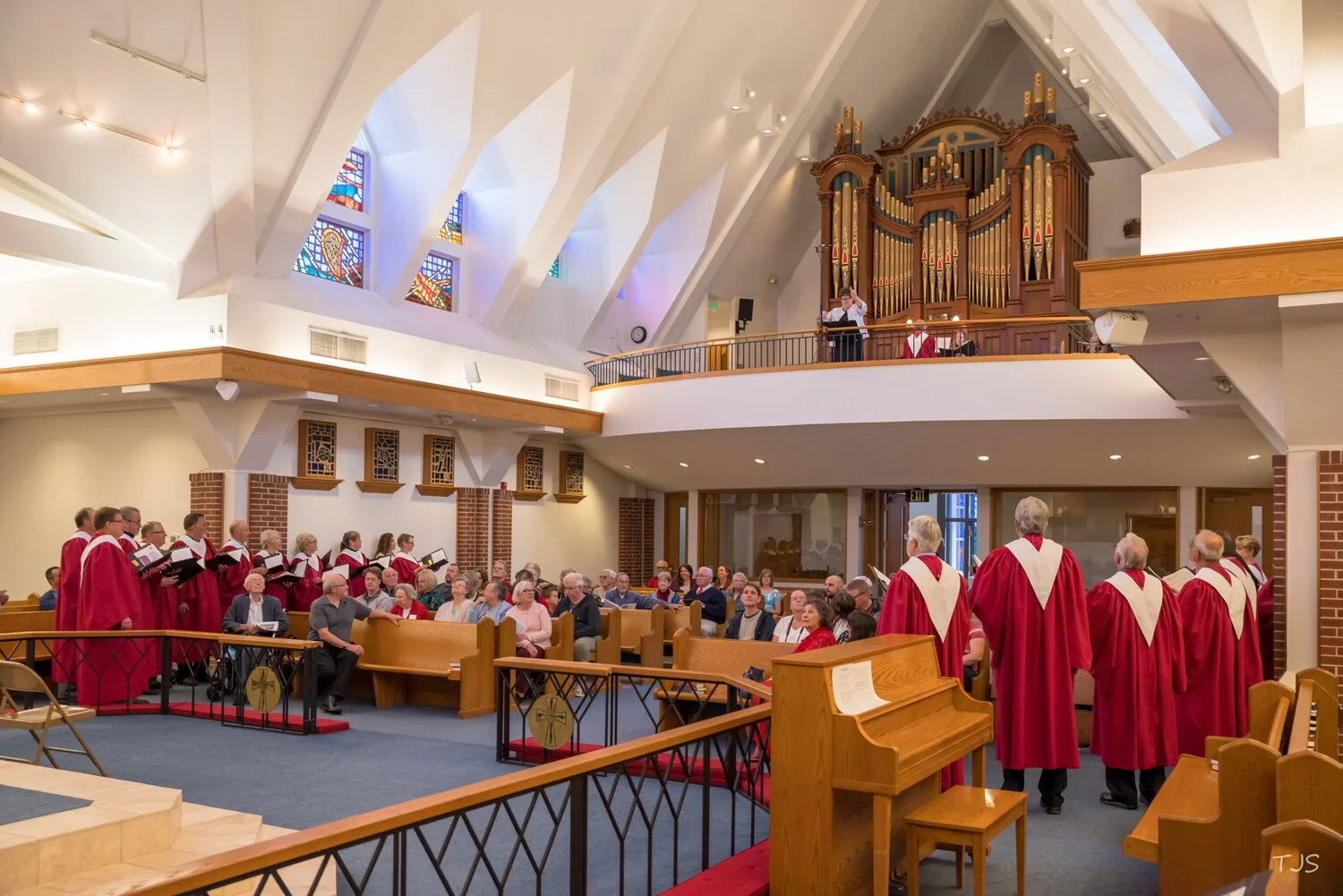
Sanctuary
-
![]()
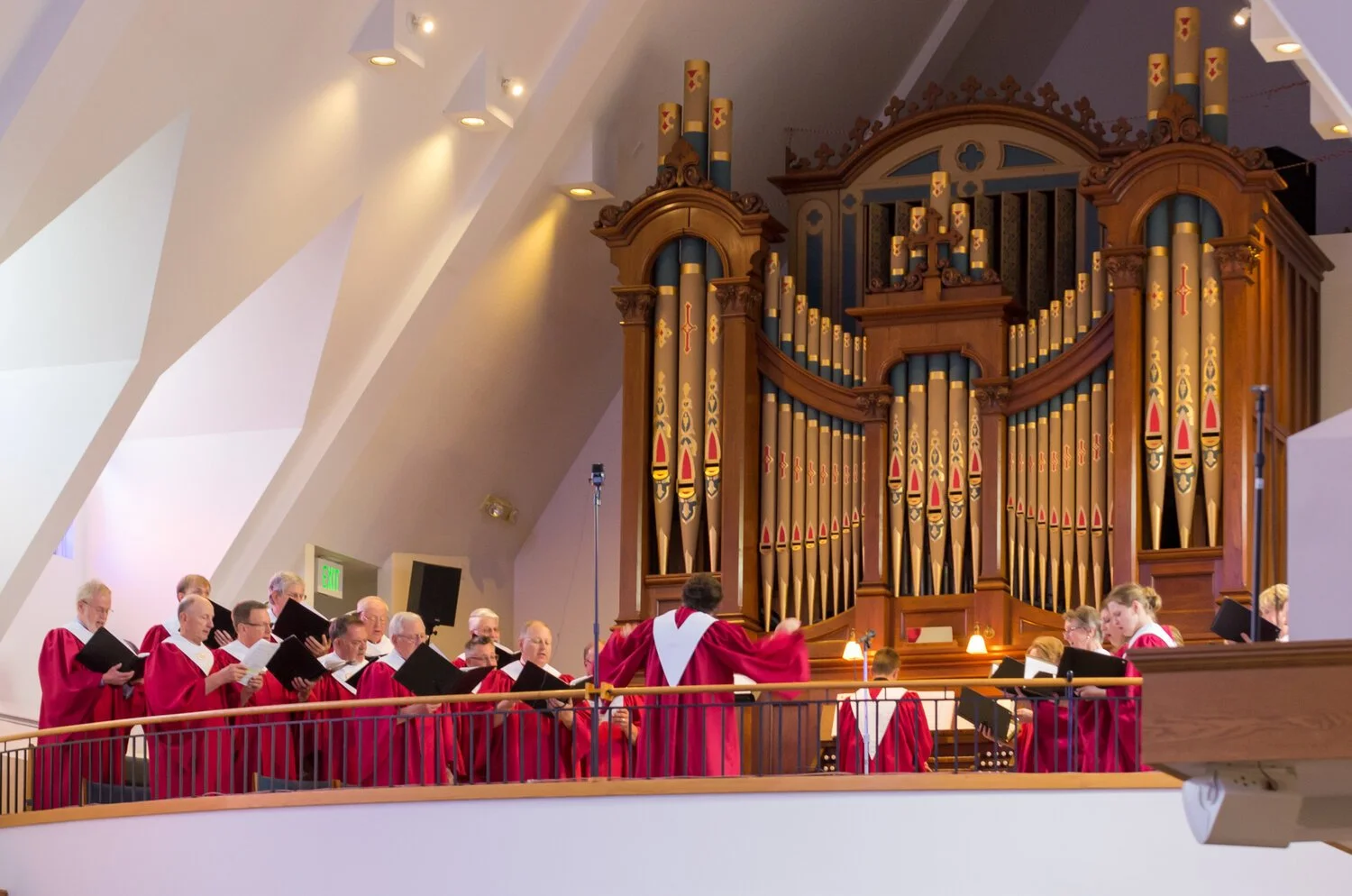
Choir Loft
-
![]()
All Souls Columbarium
-
![]()
Old Chapel
-
![]()
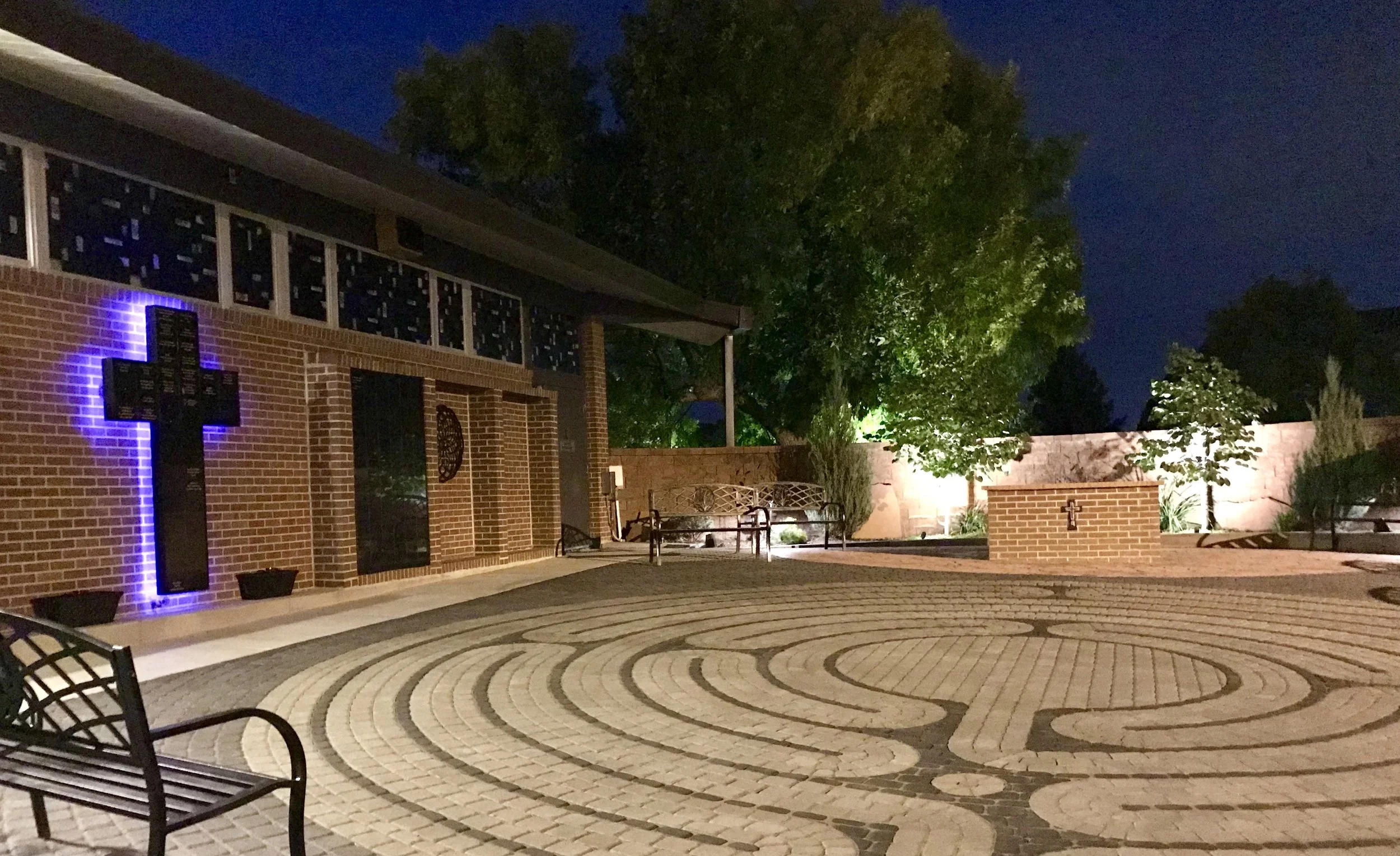
Prayer Garden
-
![]()
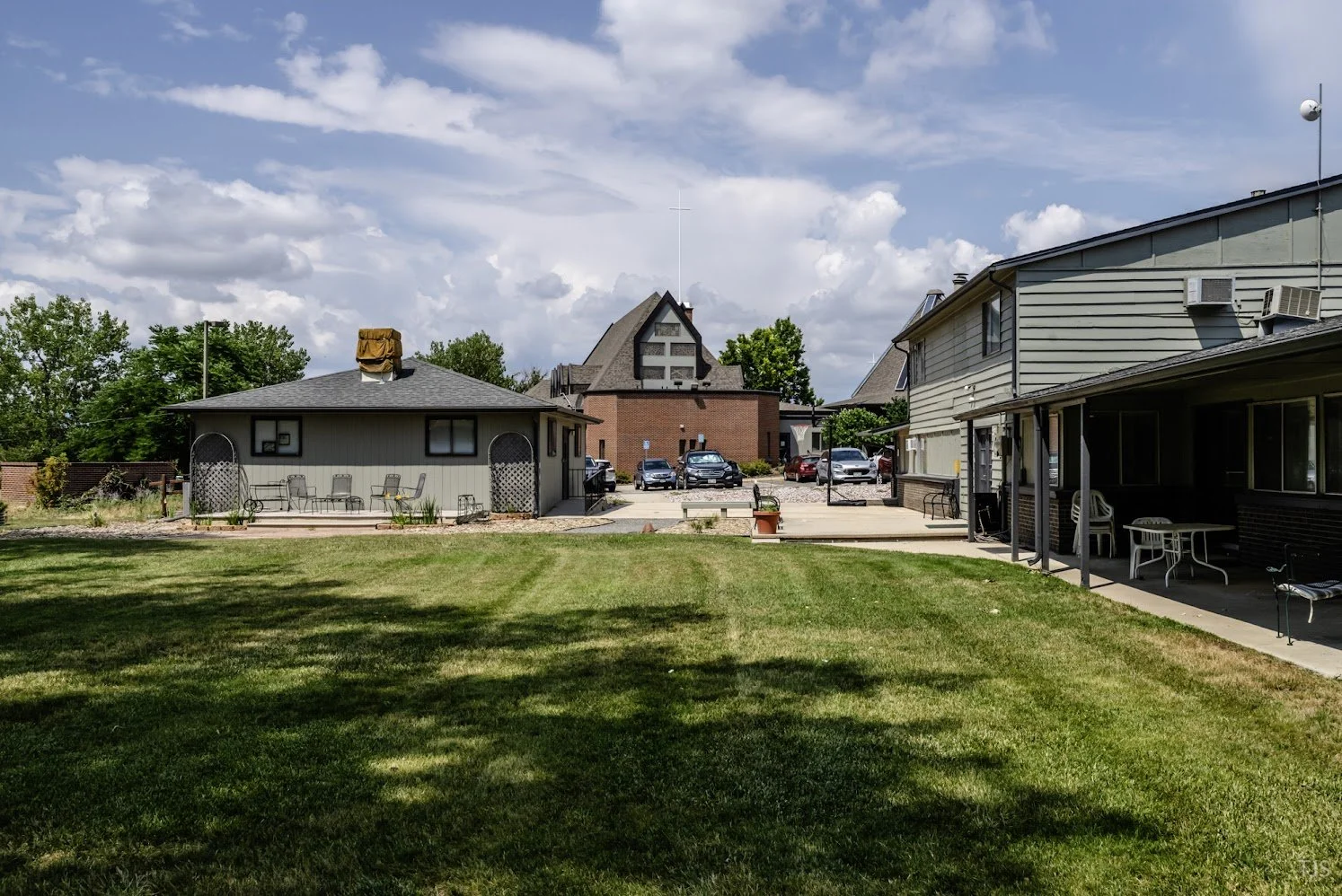
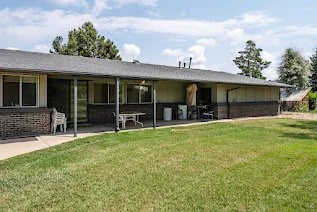
Backyard
-
![]()
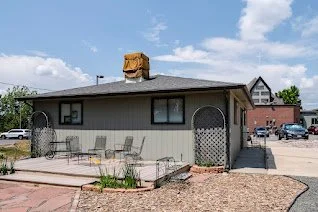
Office Building
-
![]()
The Landing
-
![]()
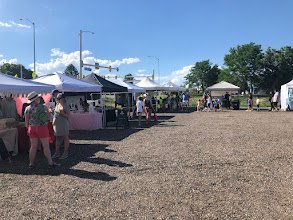
The West lot

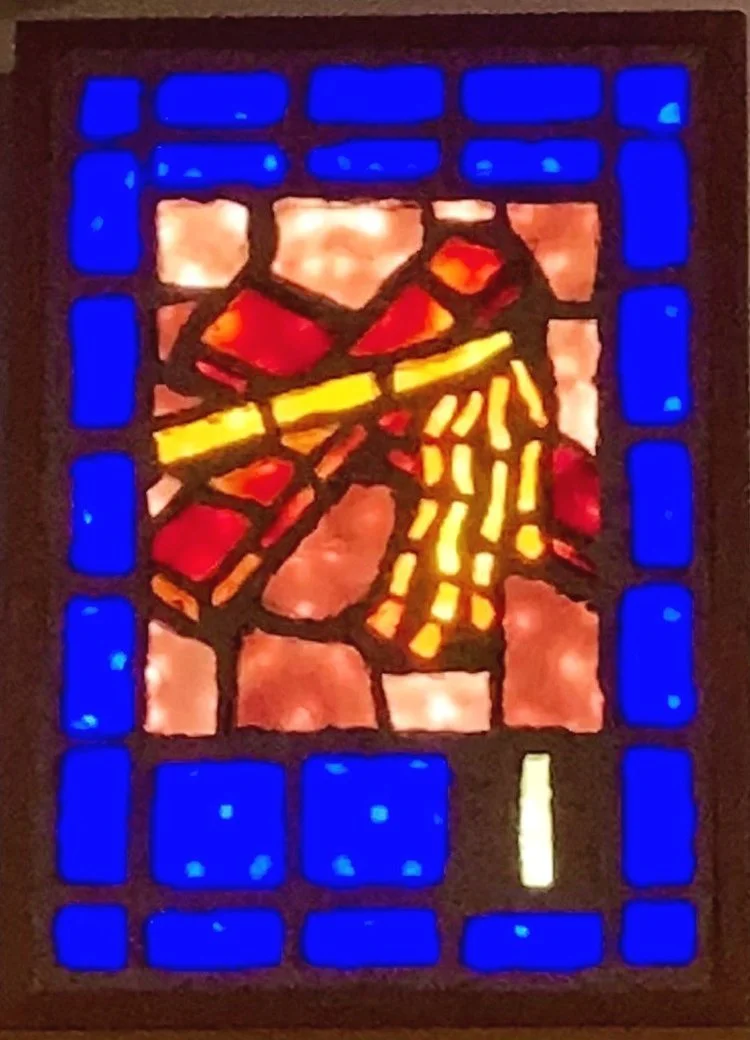
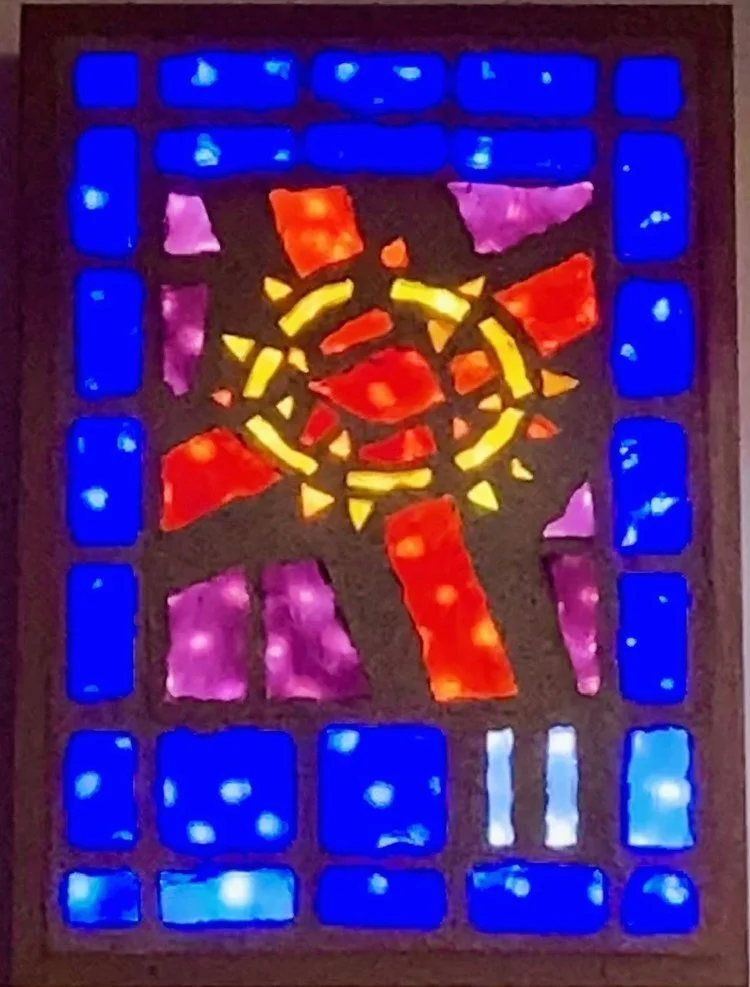
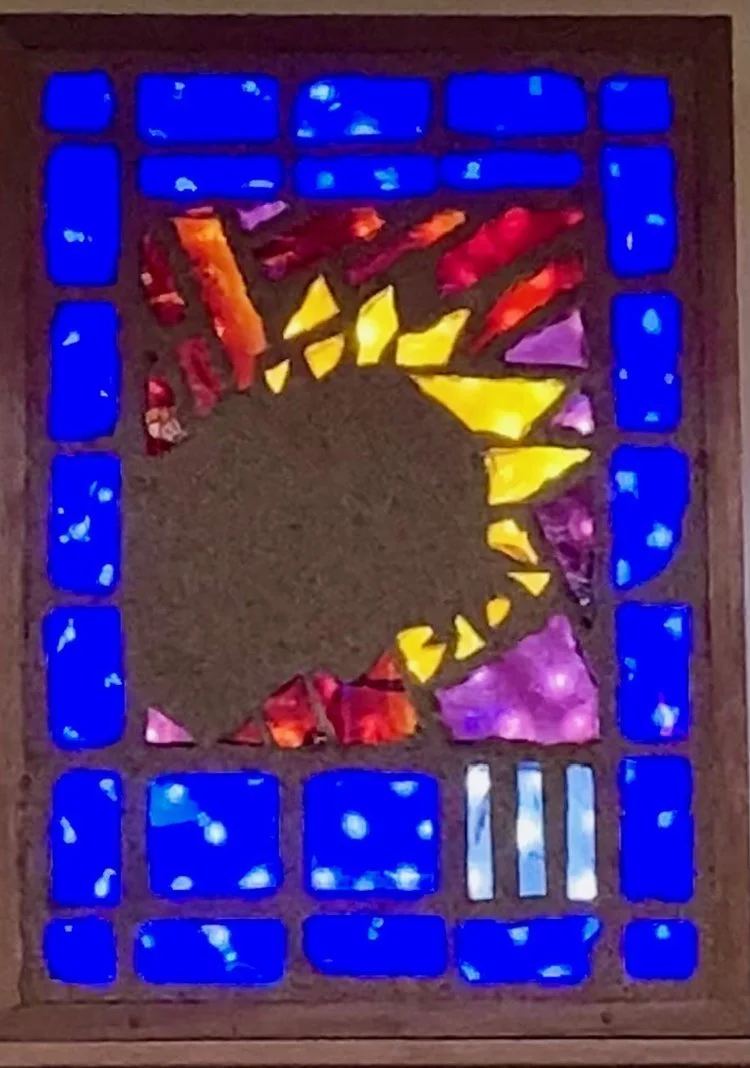
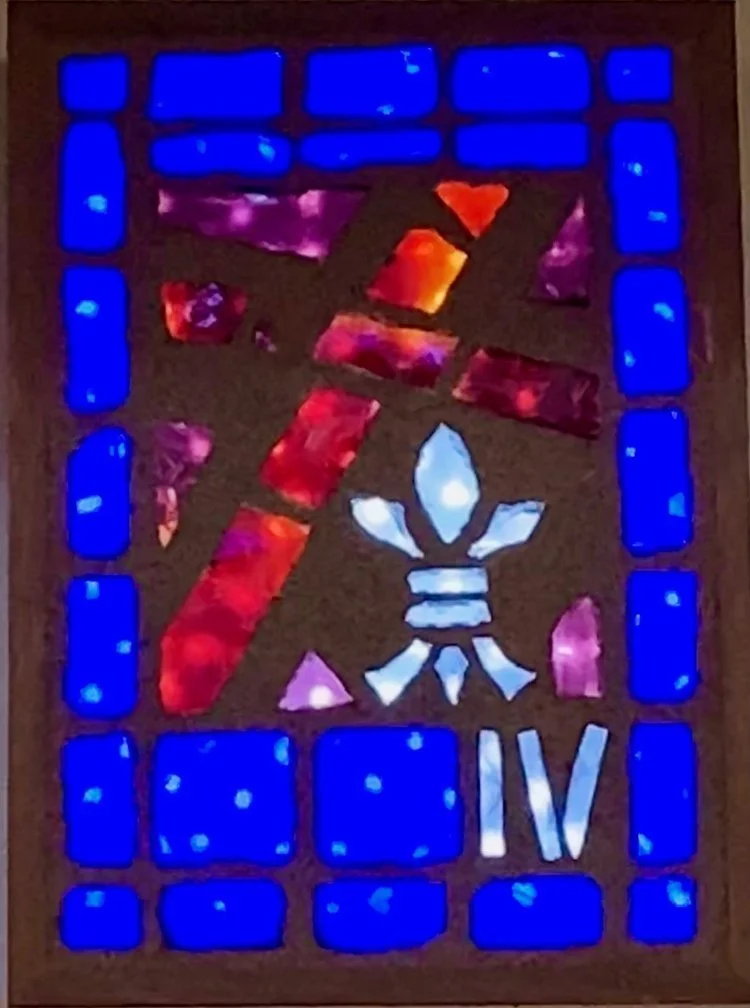
Our Dalle de Verre Windows … Worship Without Words, the Story Behind our Stained Glass Windows
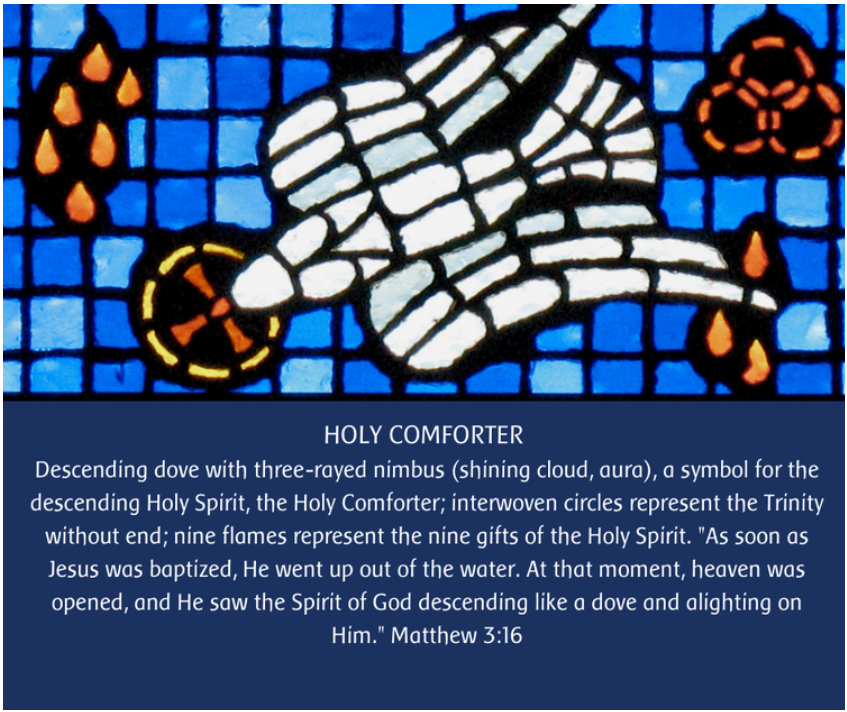
In 1983, early parishioners, Phil Bissell and Bill Hulsizer presented the vestry with the ambitious plan to commission, create and install 45 custom-made faceted glass windows of various sizes in the original church, now our Chapel. Though $21,000 was a lot of money at that time, enthusiasm prevailed and the funds were forthcoming to turn their dream into reality.
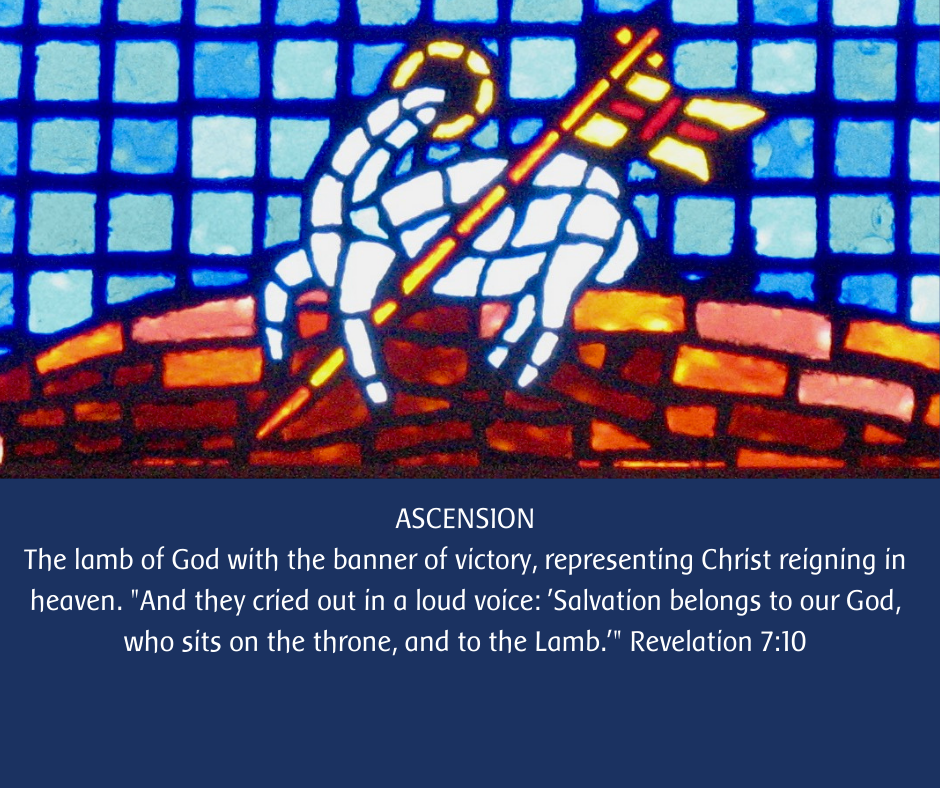
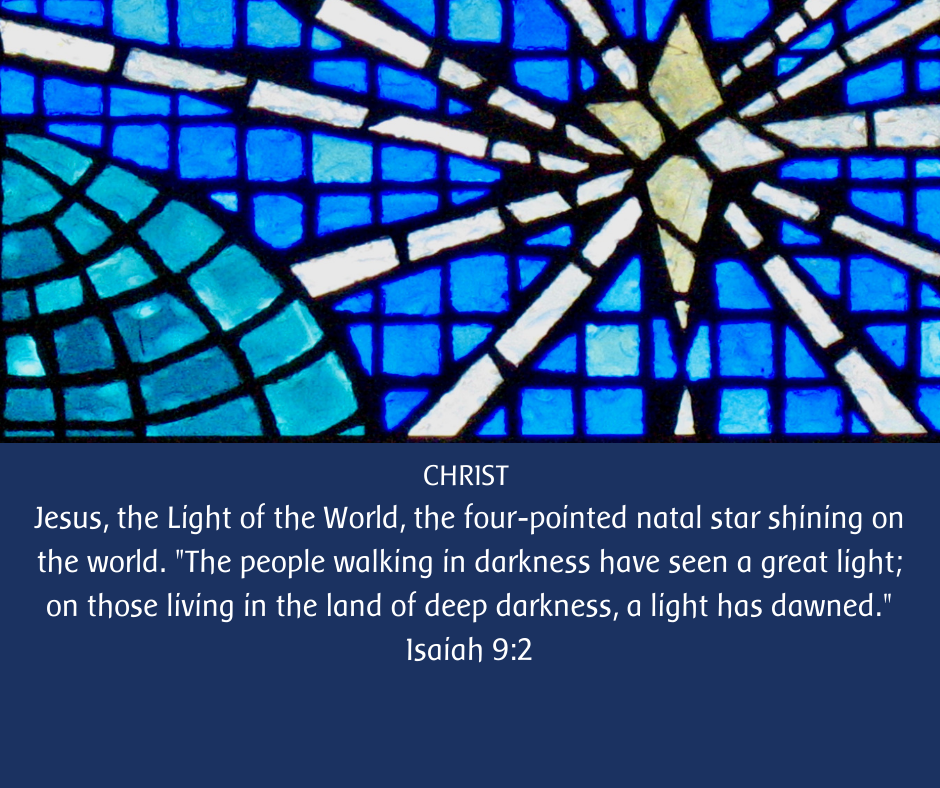
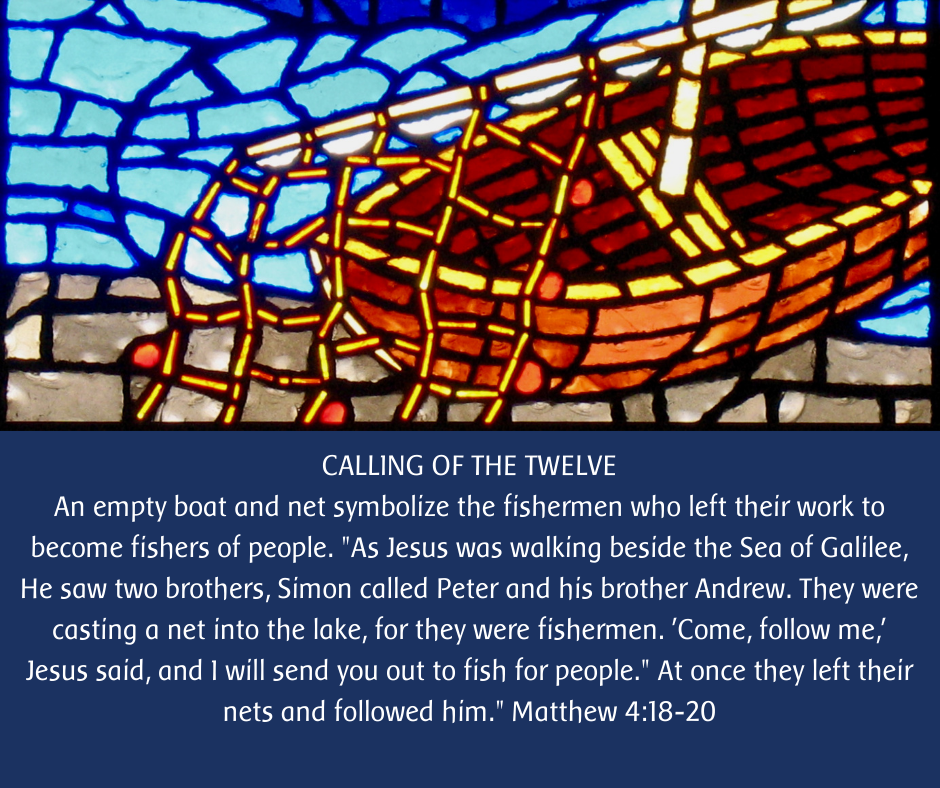
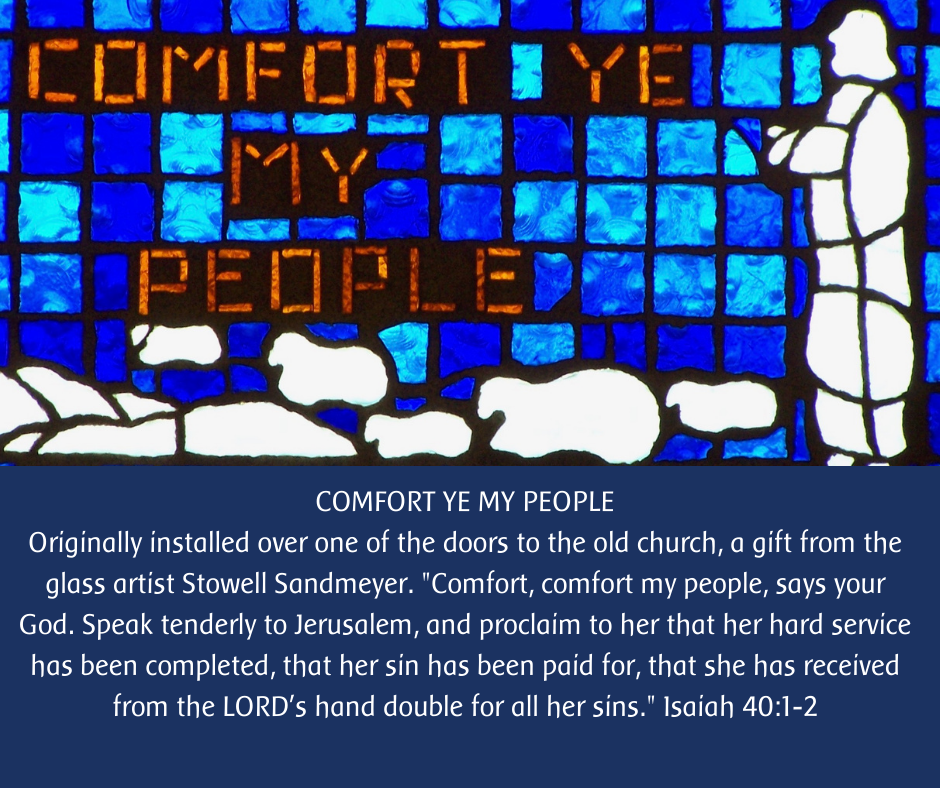
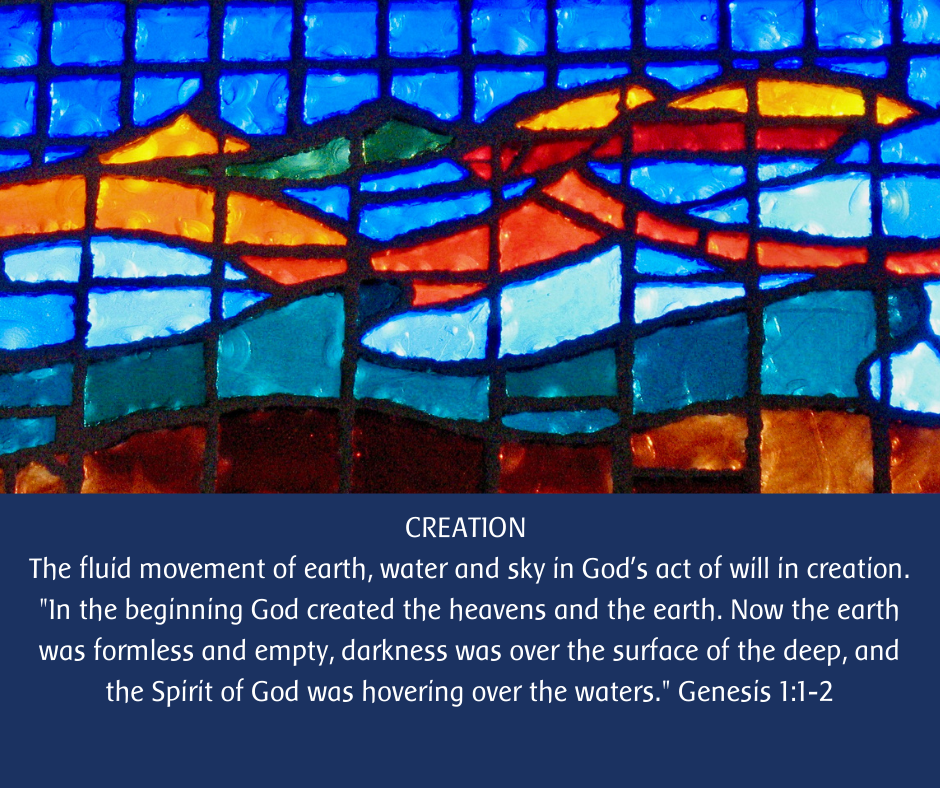
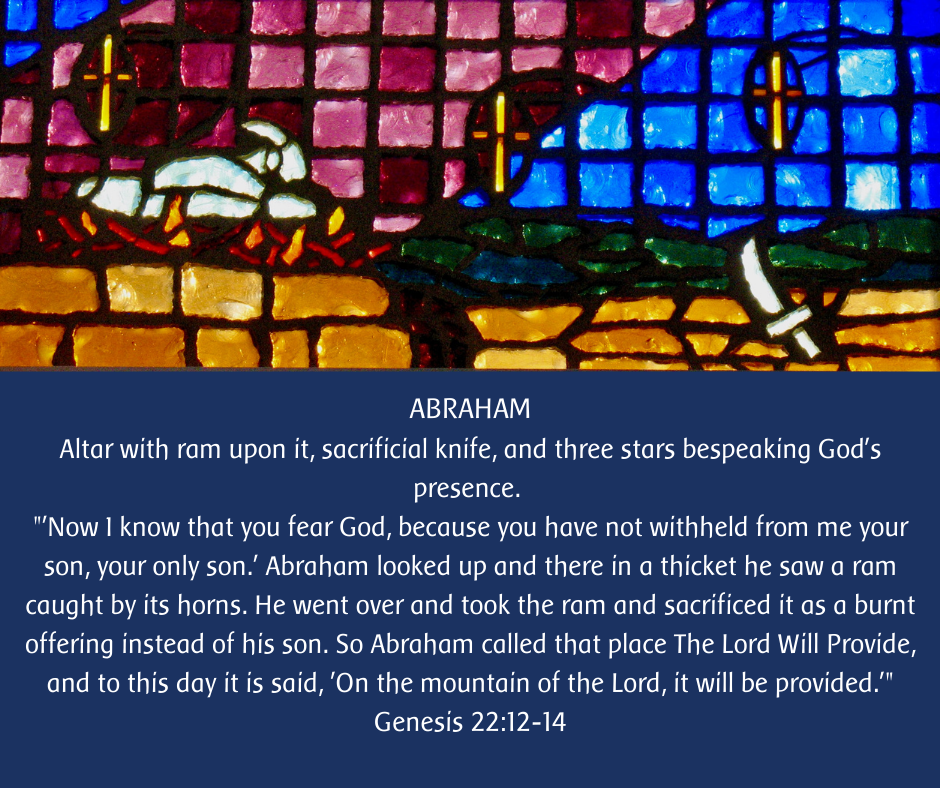
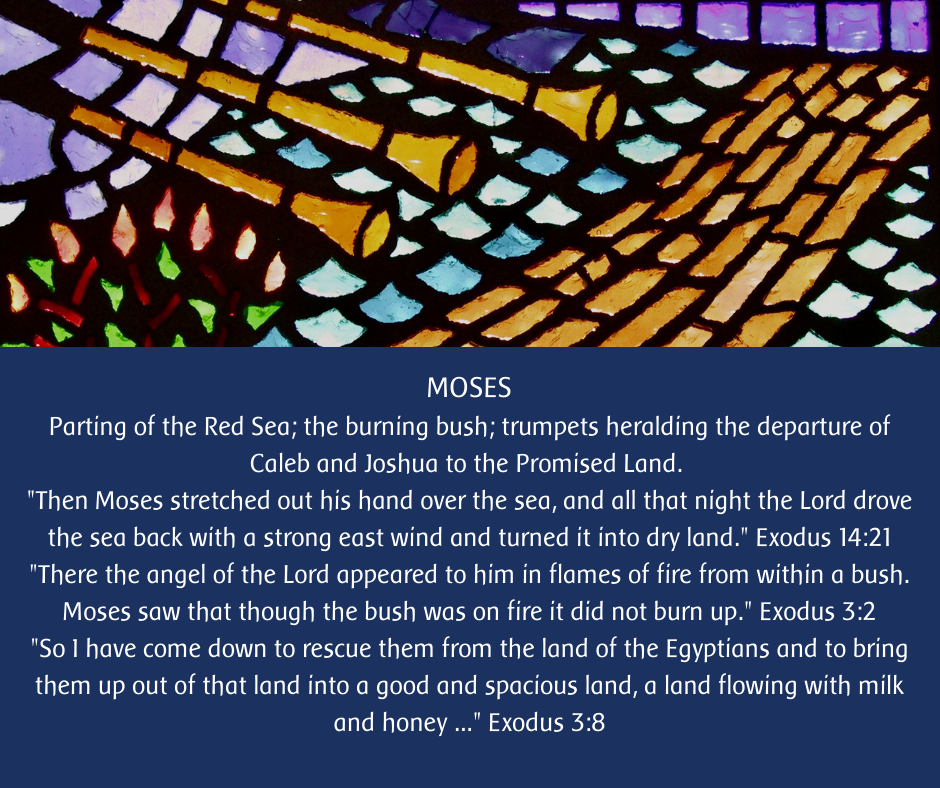
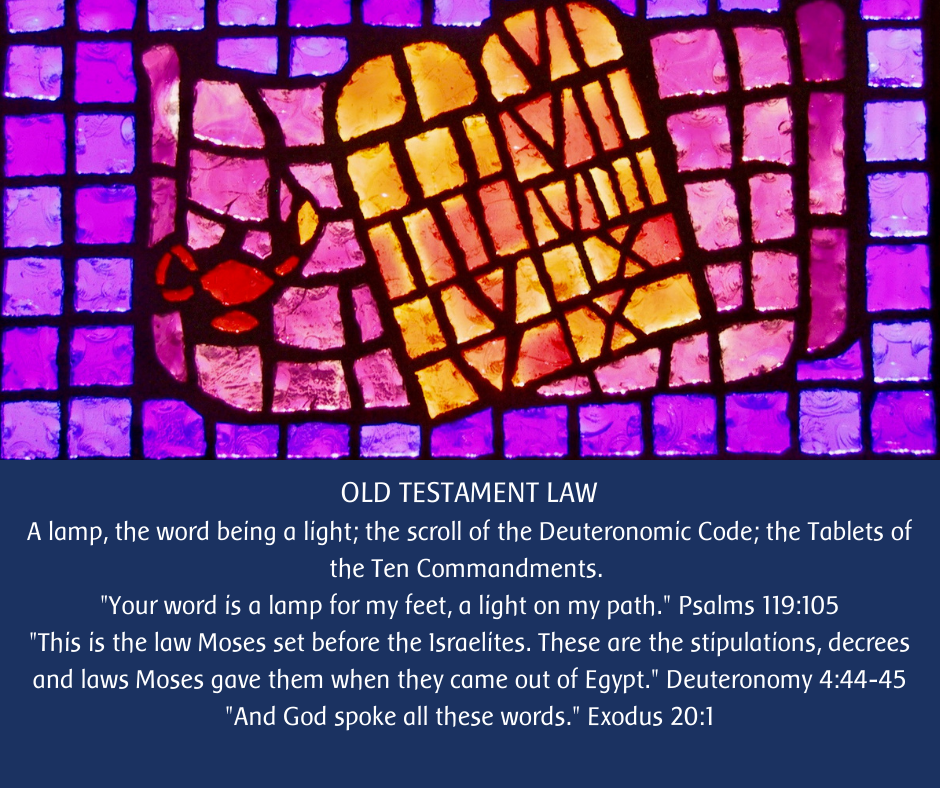
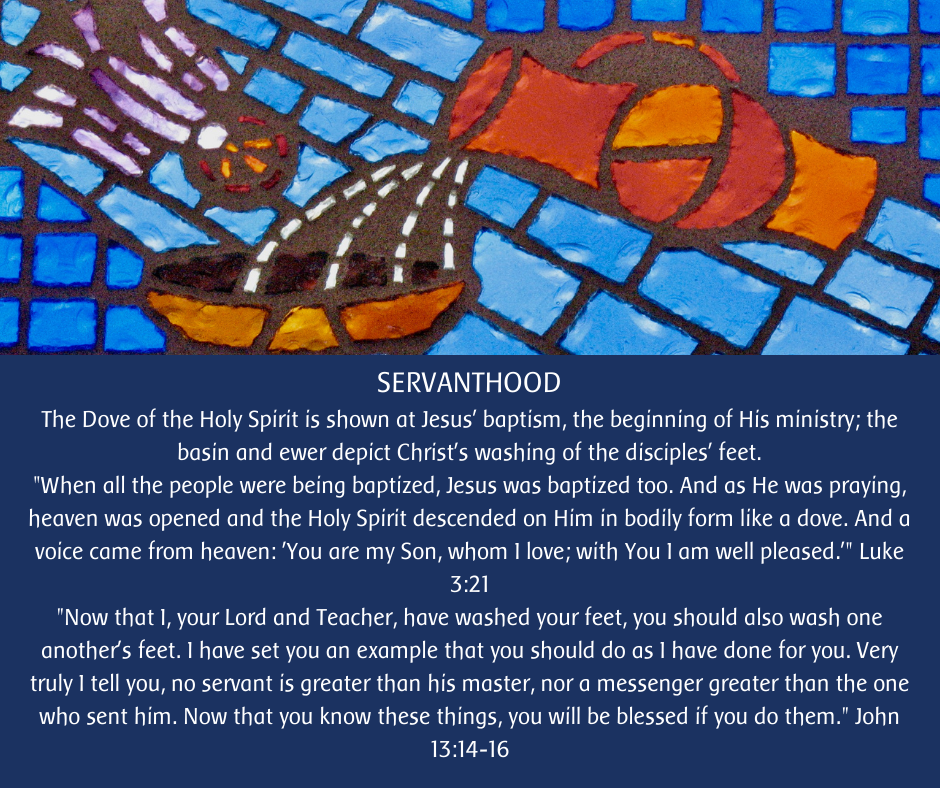
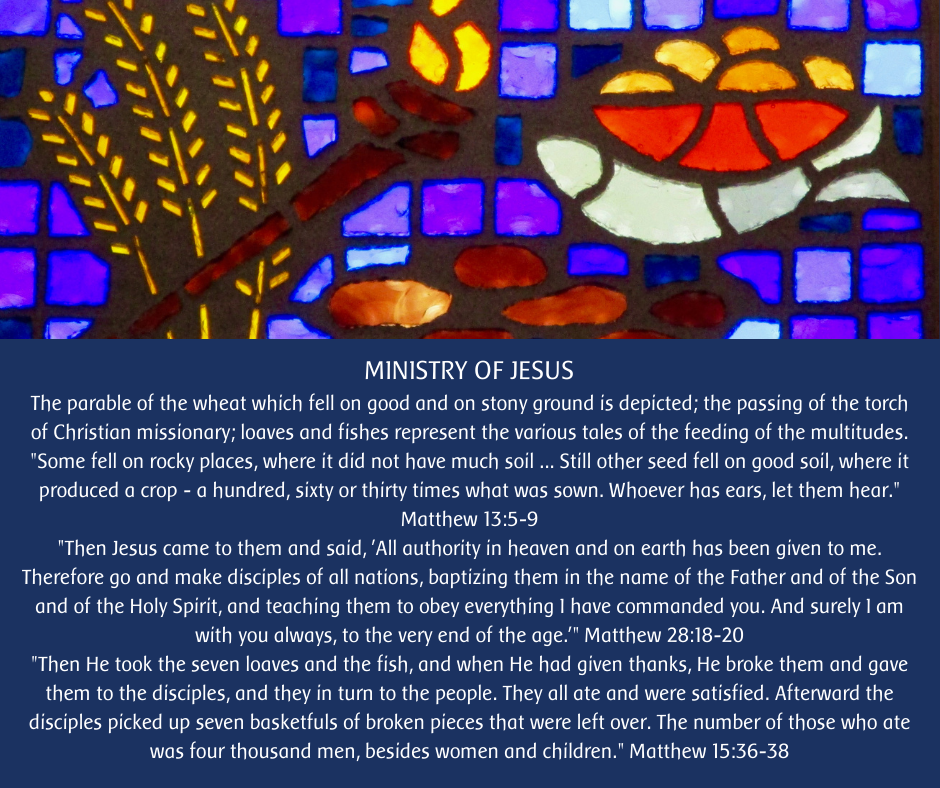
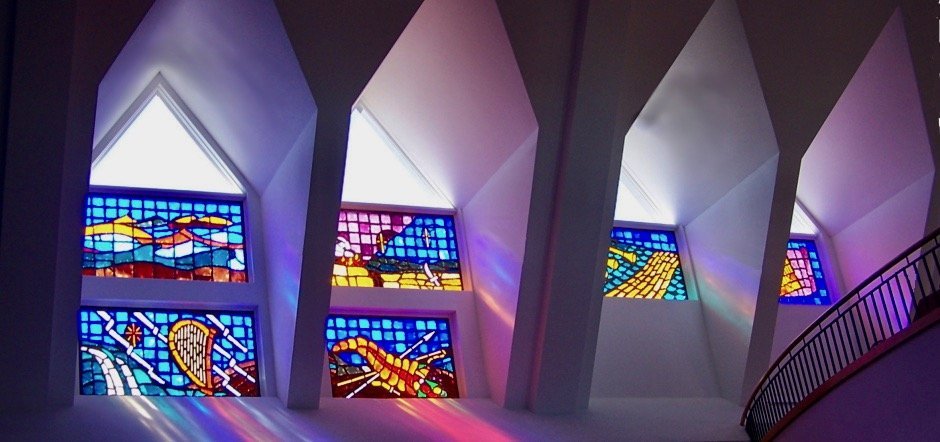
Retired Methodist Minister and glass artist Stowell Sandmeyer worked closely with Fr. Harshman to weave threads of several Biblical themes and symbols throughout the windows. The windows were made by a process called "dale de verre" (French for slabs of glass) or faceted glass. This was a late Nineteenth Century invention in Europe that involved embedding pieces of glass into concrete walls to allow light to enter buildings. The process had fallen into disuse and was only revived some three decades prior to Holy Comforter hiring Stowell Sandmeyer and June Simon to create our windows. Unlike most modern stained glass windows, the glass pieces used are an inch thick and are cut and faceted to create a jewel-like brilliance. They are held together with epoxy resin rather than lead strips used in other stained glass processes.
When the windows were moved to the new church in 2002, they came to life and were seen in their full glory and color. Although they are beautiful to behold, more importantly, they have been a visual aid to Biblical readings and songs, inspired countless prayers and enhanced our worship in this church for 40 years.
Holy Comforter’s Stained Glass Windows
-
![]()
East Windows
-
![]()
East Windows
-
![]()
East Windows
-
![]()
East Windows
-
![]()
East Windows
-
![]()
East Windows
-
![]()
South Windows - Old Testament
-
![]()
South Windows - Old Testament
-
![]()
South Windows - Old Testament
-
![]()
South Windows - Old Testament
-
![]()
South Windows - Old Testament
-
![]()
South Windows - Old Testament
-
![]()
North Windows - New Testament
-
![]()
North Windows - New Testament
-
![]()
North Windows - New Testament
-
![]()
North Windows - New Testament
-
![]()
North Windows - New Testament
-
![]()
North Windows - New Testament
-
![]()



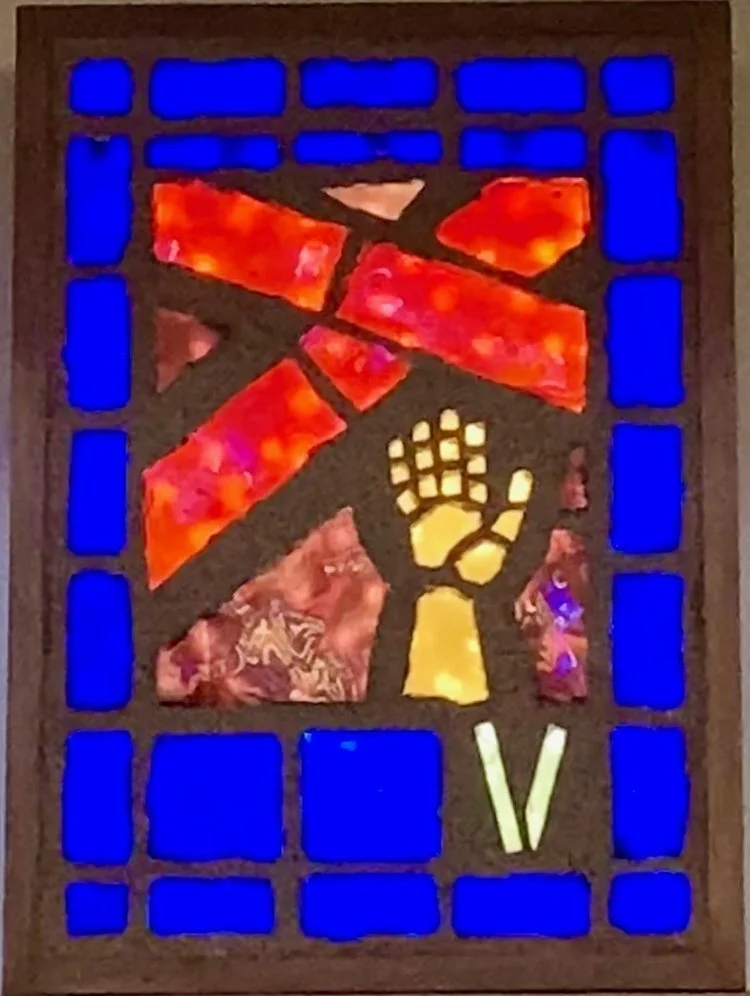
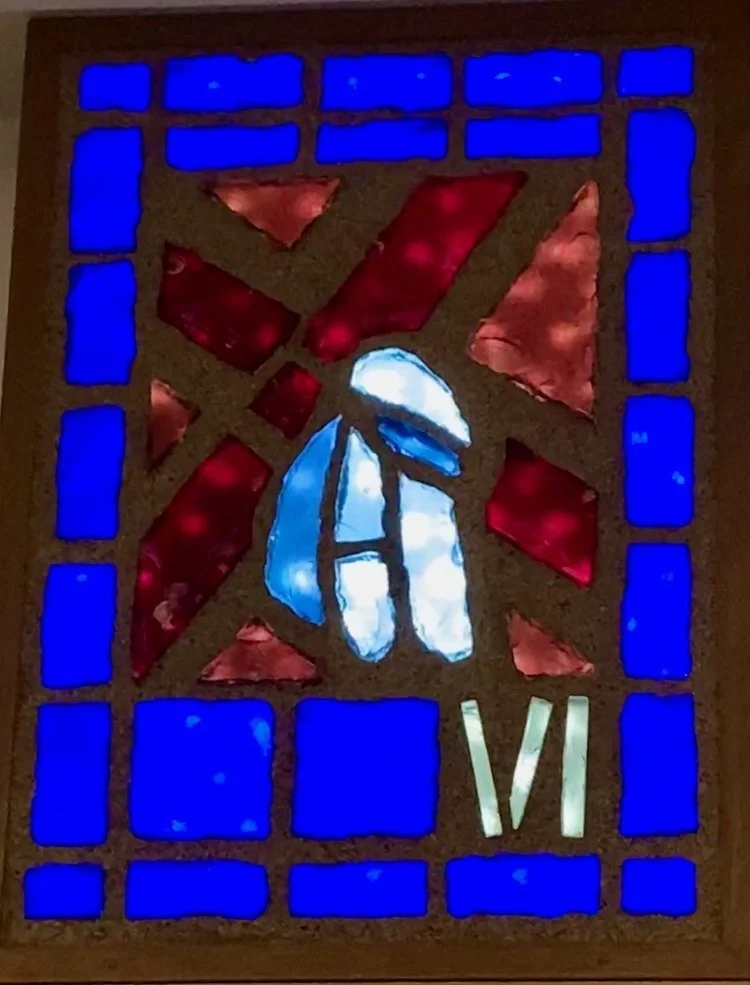
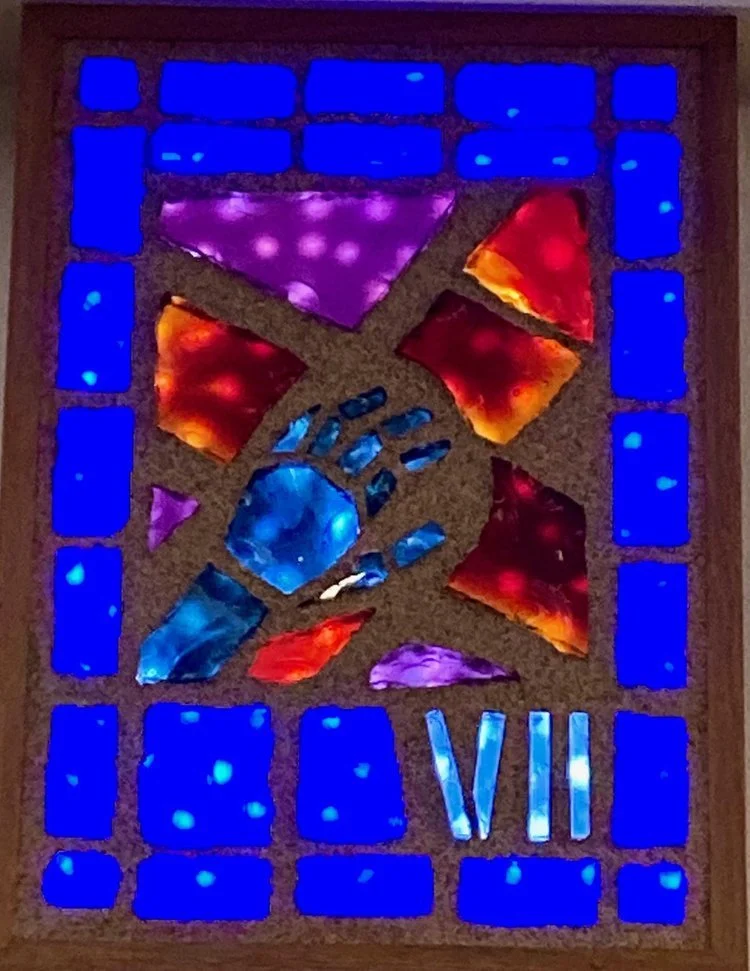
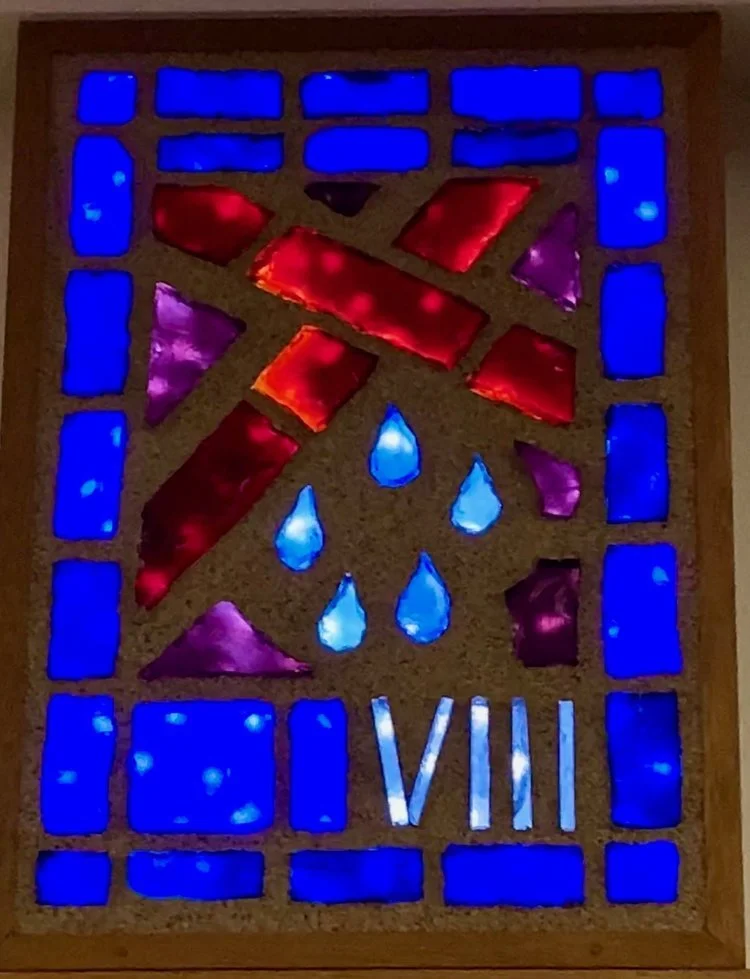
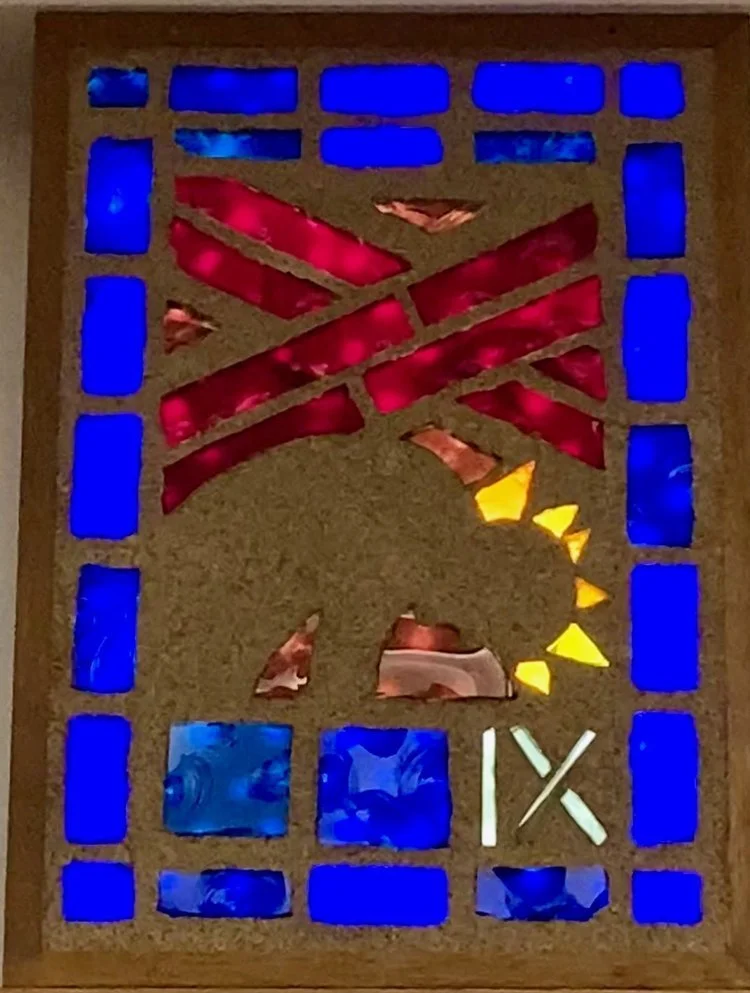
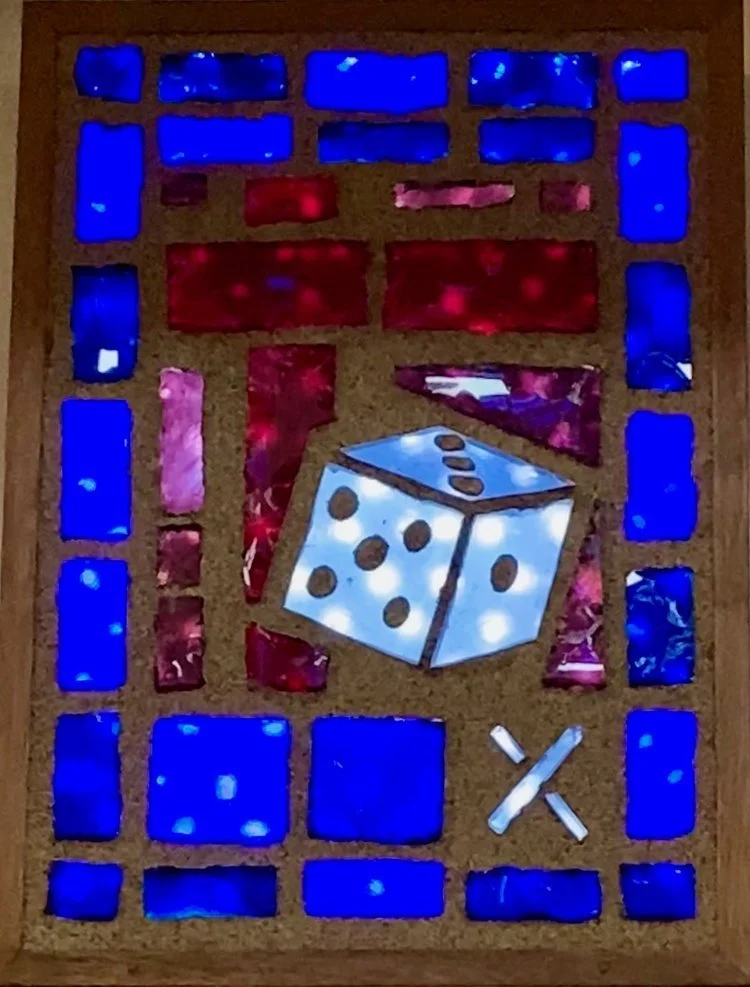
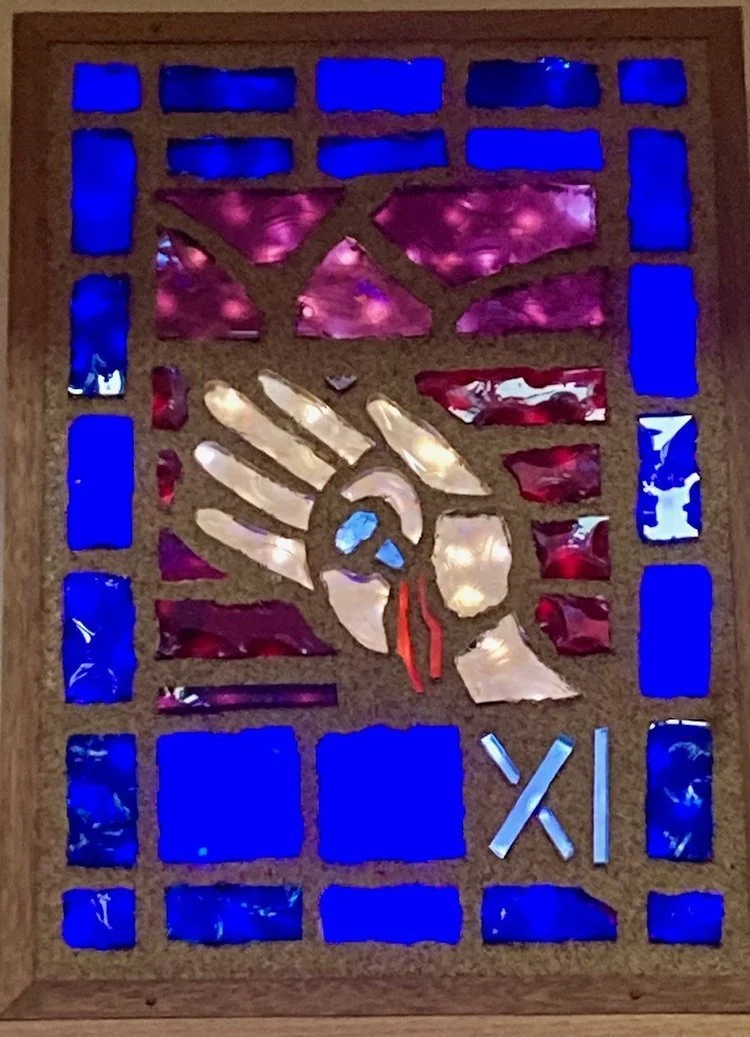
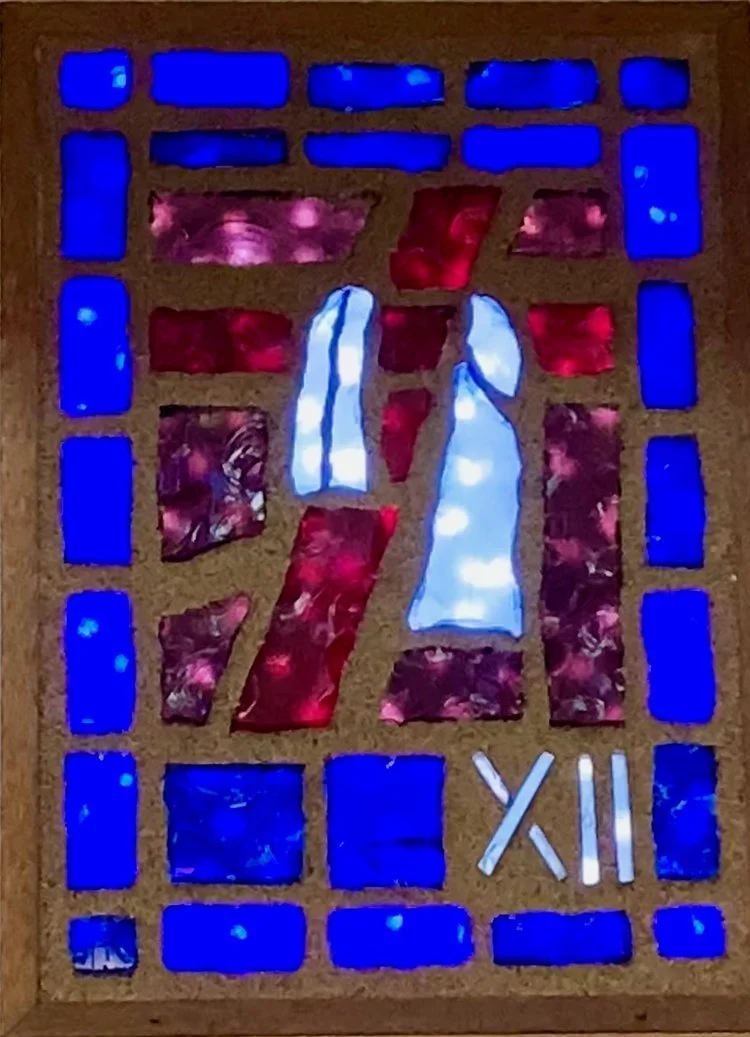
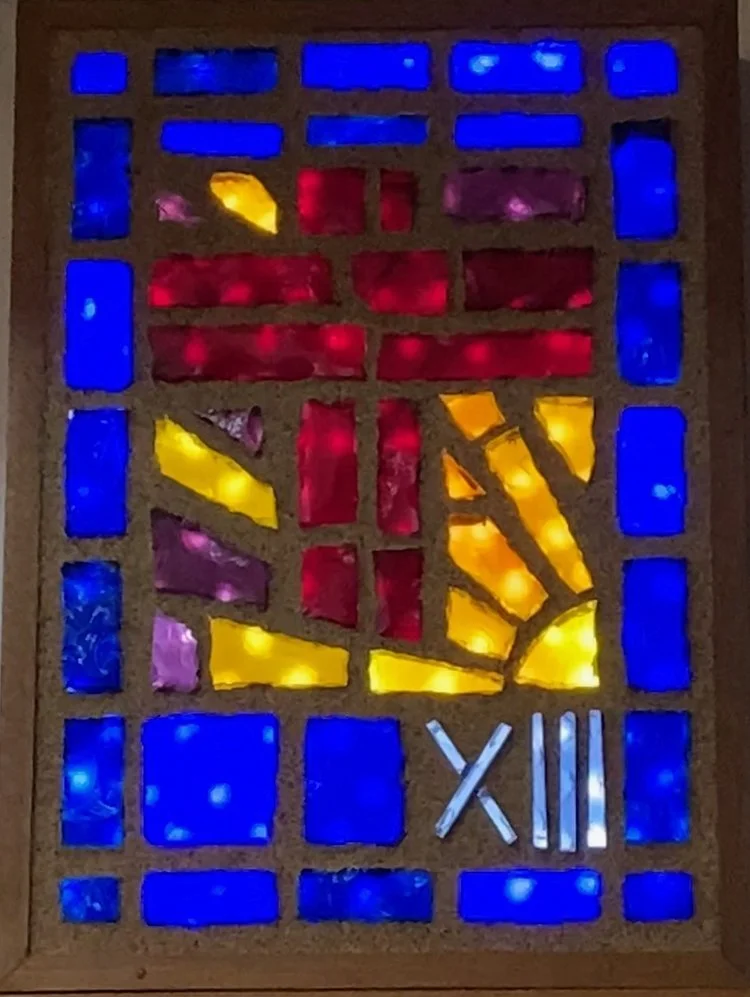
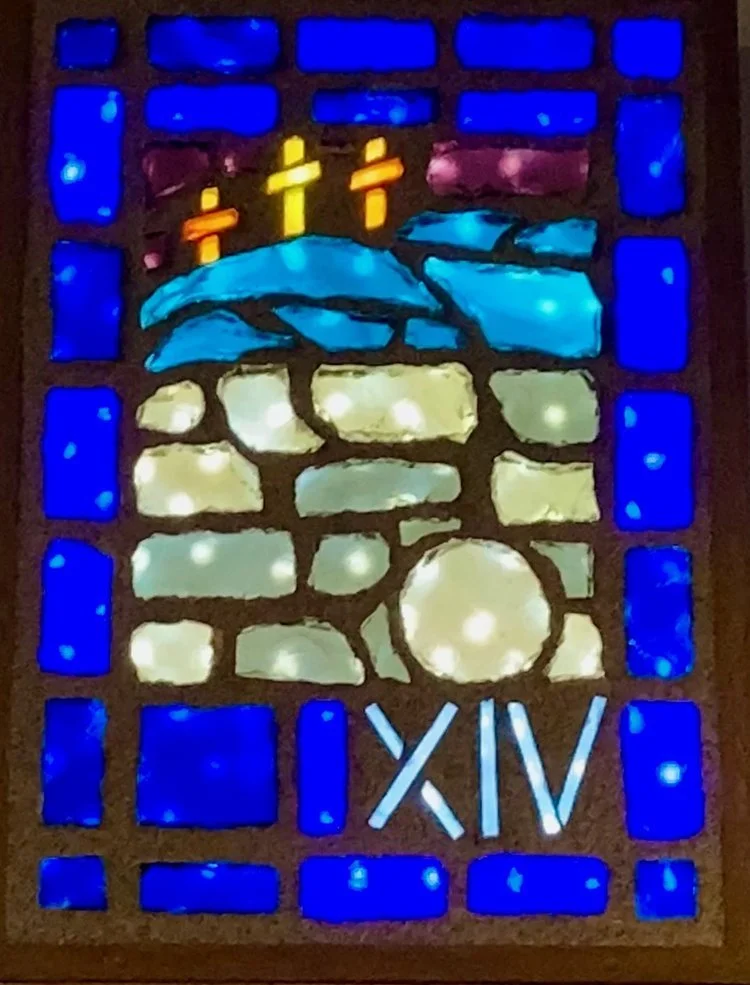
From the earliest days, Jesus' followers told the story of his passion, death and resurrection. Pilgrims to Jerusalem wished to visit the places along Jesus' route sometimes known as the Via Dolorosa. By the 1500's people began creating replicas of thee since travel was not always possible. These eventually became the 14 Stations of the Cross. The devotional practice has become a way to walk with Jesus as He walks to the Calvary. The practice is commonly done during Lent.
Stations of the Cross
-
![]()
First Station- Jesus is condemned to death
-
![]()
Second Station-Jesus carries his cross
-
![]()
Third Station-Jesus falls the first time
-
![]()
Fourth Station-Jesus meets his mother
-
![]()
Fifth Station-Simon of Cyrene helps Jesus to carry his cross
-
![]()
Sixth Station-Veronica wipes the face of Jesus
-
![]()
Seventh Station-Jesus falls the second time
-
![]()
Eighth Station- Jesus meets the women of Jerusalem
-
![]()
Ninth Station-Jesus falls a third time
-
![]()
Tenth Station-Jesus' clothes are taken away
-
![]()
Eleventh Station-Jesus is nailed to the cross
-
![]()
Twelfth Station-Jesus dies on the cross
-
![]()
Thirteenth Station-The body of Jesus is taken down from the cross
-
![]()
Fourteenth Station-Jesus is laid in the tomb